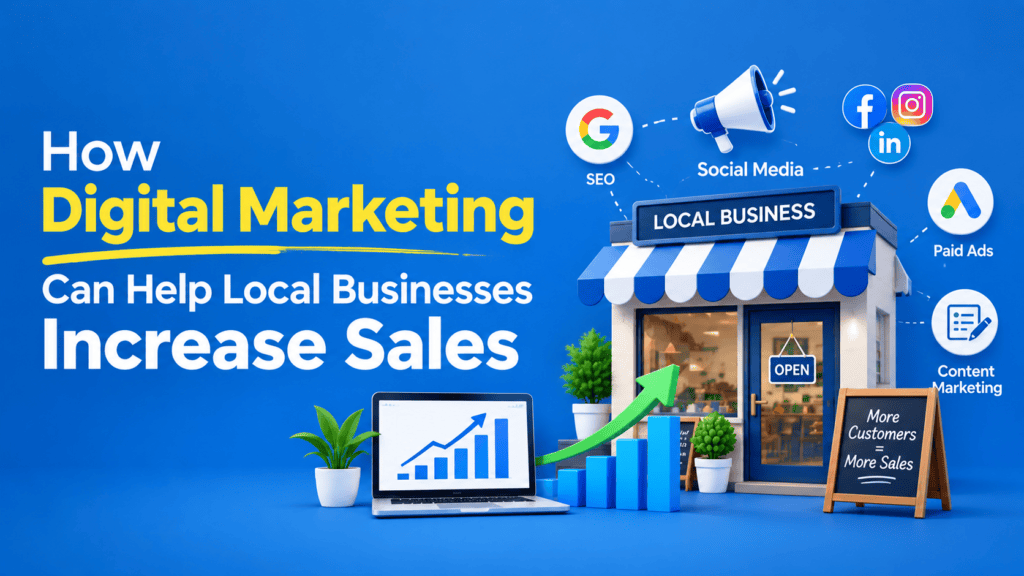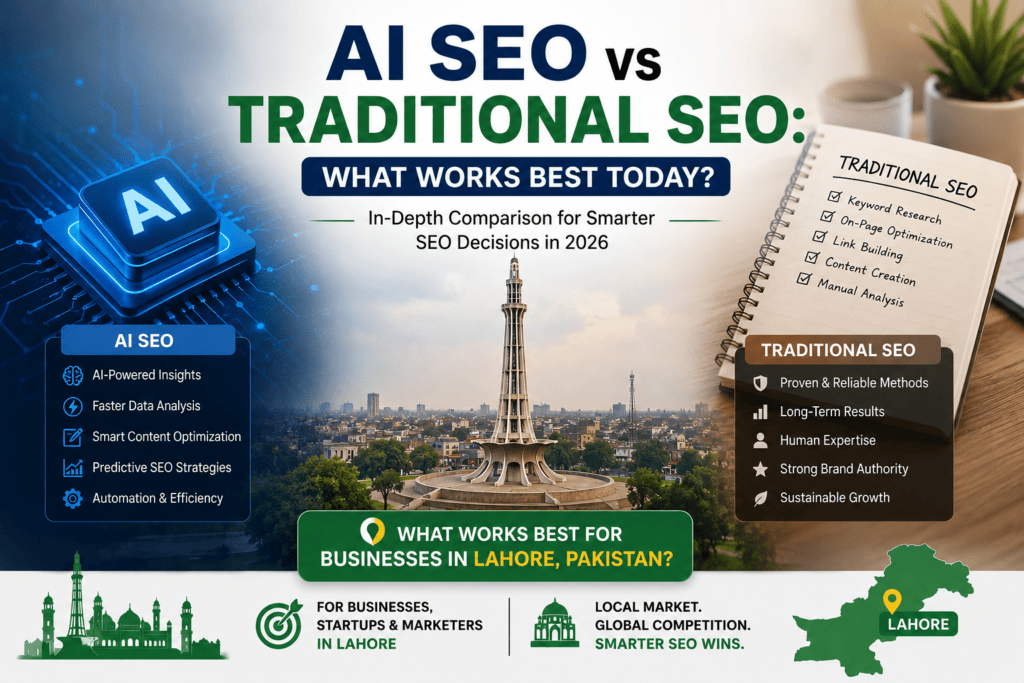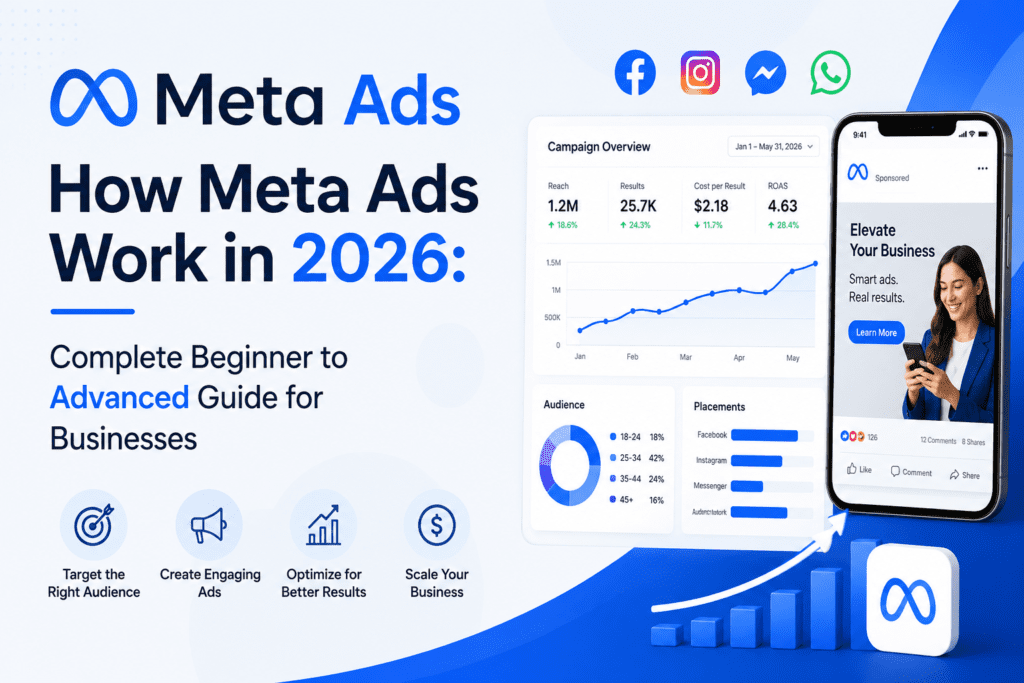

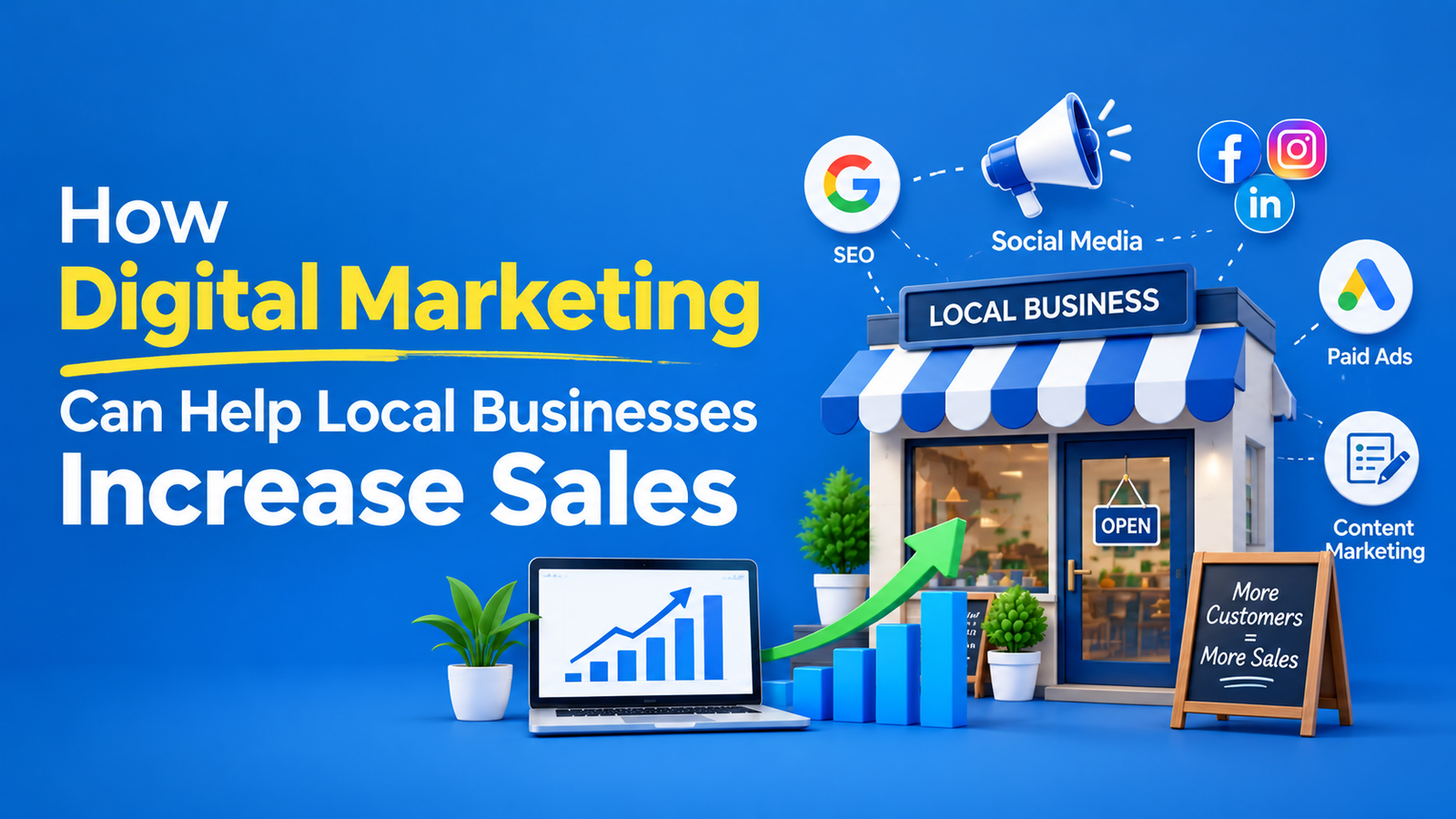
For brick-and-mortar storefronts, traditional foot traffic is no longer a dependable primary revenue driver. A local establishment’s survival depends on capturing digital intent at the exact moment a nearby consumer decides to spend money.
Transitioning from passive store-level awareness to active online demand capture requires building a connected local digital ecosystem.
The Shift from Physical Proximity to Search Intent
Historically, prime commercial real estate guaranteed foot traffic. Today, customer acquisition occurs on smartphones long before a customer walks through the physical doors.
- High-Intent Local Discovery: Over 76% of people who perform a local search on their smartphone visit a physical business within 24 hours, and 28% of those searches result in an immediate purchase.
- Zero-Click Searches: More than 50% of Google queries end without a click to an external site because users get their answers directly from Google Map Packs, Knowledge Panels, and AI summaries. If your local brand is not optimized for local search engines, you are invisible to this audience.
3 Core Systems to Accelerate Local Sales
To convert online traffic into in-store transactions, local businesses must execute three interconnected digital strategies.
[ High-Intent Local Searcher ]
│
┌───────────────────────┼───────────────────────┐
▼ ▼ ▼
[ Local SEO & Map Pack ] [ Meta Hyper-Targeting ] [ Review Automation ]
(Captures Immediate (Drives Regional Foot (Builds Unrivaled
Purchase Intent) Traffic) Social Proof)
│ │ │
└───────────────────────┼───────────────────────┘
▼
[ In-Store / Online Sale ]
1. Local SEO: Optimizing for Regional Visibility
Local SEO for regional visibility requires more than simply inserting city names into article titles. A strong Local SEO strategy helps search engines understand where your business operates, what services you provide, and which local customers you serve.
Google Business Profile (GBP) Mastery: Complete every profile detail, select relevant primary and secondary categories, keep business information accurate, and regularly upload high-quality interior and exterior photographs.
Localized Schema Markup: Implement relevant structured data such as LocalBusiness, GeoCoordinates, and OpeningHoursSpecification on appropriate pages of your website. This helps search engines better understand your business location and operating information.
Local Citation Consistency: Ensure your business Name, Address, and Phone number (NAP) are accurate and consistent across relevant local directories, business listings, and other online platforms. Consistent citations are an important part of a well-rounded Local SEO.
2. Geo-Targeted Social Advertising
Unlike broad campaigns, localized paid advertising focuses on specific geographic areas around your business or service locations.
Offer-Driven Hyper-Local Ads: Run targeted Facebook and Instagram campaigns featuring limited-time offers, new products, local promotions, or in-store incentives for customers within your target service area.
Click-to-WhatsApp Funnels: Direct mobile advertising traffic to WhatsApp Business so potential customers can quickly ask questions, request pricing, check availability, or make appointments.
3. Review Automation and Reputation Management
Customer feedback directly influences local purchasing decisions and plays an important role in building trust for businesses competing in local search results.
Post-Purchase Review Requests: Implement appropriate SMS, email, WhatsApp, or QR-code review requests after a customer completes an in-store or online purchase or service. The goal should be to encourage genuine customer feedback.
Active Review Management: Respond to reviews consistently and professionally. Thank customers for positive feedback and address negative reviews with helpful, resolution-oriented responses. A strong review profile supports customer trust and complements your broader Local SEO and reputation management strategy.
Case Study: Regional Furniture Retailer Scaled In-Store Revenue by 184%
The Challenge
A traditional three-showroom home furniture retailer was experiencing declining foot traffic due to rising commercial rents and online DTC competitors. They relied exclusively on print flyers and local newspaper advertisements.
The Strategy
- Local Search Infrastructure: Optimized their Google Business Profiles across all 3 showroom locations and implemented structured product catalog schemas.
- Geo-Fenced Meta Ads: Ran targeted video campaigns showcasing customer room transformations to homeowners within a 7-mile radius of each store.
- Review Capture Engine: Placed QR code touchpoints at checkout desks, incentivizing customers to leave verified Google reviews upon delivery completion.
The Results
- Map Pack Views: Increased by 340% in 90 days.
- Showroom Foot Traffic: Grew by 62%, directly measured via localized ad attribution metrics.
- Gross In-Store Sales: Increased by 184% YoY, while cutting traditional print advertising expenditure in half.
What Makes This Framework Unique
- Integrated Offline-to-Online Attribution: We do not track vanity metrics like “impressions.” We measure actual walk-ins, phone inquiries, and localized revenue increases.
- AI Engine Optimization (AIO): Content and profiles are structured so conversational AI models (e.g., Gemini, ChatGPT) recommend your business when users ask: “Where can I find the best [service] near me?”
- Hyper-Local Contextual Relevance: Strategies are engineered specifically for immediate geographic radiuses rather than broad, expensive national audiences.
Guarantees, Social Proof, and Operational Policies
Performance Guarantees
- 100% Citation Accuracy Guarantee: We guarantee zero listing duplication and complete NAP consistency across all top 50 local directory sites.
- Speed to Index Guarantee: All updated schemas and localized landing pages are guaranteed to be indexed by Google Search Console within 14 days of deployment.
Service Policies & Integrity
- Data Protection Compliance: Customer contact records used for SMS or email review automation are processed through GDPR-compliant protocols.
- Transparent Metrics Reporting: Clients receive live dashboard reporting displaying real-time calls, map directions requests, and message conversions.
Channel Allocation Framework
SEO vs Google Ads: Which Is Better for Your Business?
When allocating marketing capital, business leaders face a common dilemma: Should investment go toward Search Engine Optimization (SEO) or Pay-Per-Click (PPC) advertising via Google Ads?
Making the wrong choice can lead to wasted budget or missed growth opportunities. The optimal approach requires evaluating both as complementary elements within an integrated acquisition strategy.
Channel Mechanics: Comparing Organic and Paid Search
[ Total Search Query Volume ]
│
┌─────────────────────────┴─────────────────────────┐
▼ ▼
[ Google Ads / PPC ] [ Organic Search / SEO ]
(Captures Immediate Bottom-of-Funnel (Captures Top & Middle-of-Funnel
Transactional Queries Instantly) Informational Research Volume)
│ │
▼ ▼
Immediate Revenue Flow Compounding Long-Term Equity
Search Engine Optimization (SEO)
SEO focuses on improving website architecture, technical health, content relevance, and link authority to rank organically on search engines.
- Pros: Long-term compounding returns, zero cost-per-click, high organic brand credibility, and stable traffic generation.
- Cons: Requires 3 to 6 months to build domain authority; requires ongoing technical maintenance.
Google Ads (PPC)
Google Ads operates on a pay-per-click auction model, allowing brands to bid on specific search keywords and appear above organic results instantly.
- Pros: Immediate visibility, precise demographic/keyword targeting, rapid conversion testing, and total budget control.
- Cons: Traffic stops the moment ad spend halts; rising competitive CPCs can compress net margins.
Direct Comparison Matrix
| Strategy Dimension | Organic Search (SEO) | Google Ads (PPC) |
| Time to First Result | 3 to 6 Months | Immediate (Hours) |
| Cost Model | Upfront content & technical capital | Pay-per-click (Ongoing spend) |
| Long-Term Asset Value | High: Content retains value for years | Zero: Disappears when spend stops |
| Intent Stage | Top-of-Funnel (ToFu) to Bottom-of-Funnel (BoFu) | High Commercial / Transactional Intent |
| Scalability | Exponential compound growth | Linear (Scales directly with ad budget) |
Strategic Decision Framework: When to Use Which
For businesses scaling their digital operations, choosing between SEO and Google Ads depends on business stage, cash flow, and market urgency.
Choose Google Ads First If:
- You need immediate sales or leads: Product launches or seasonal promotions requiring fast revenue feedback loops.
- You are testing new value propositions: Testing ad messaging and conversion rates before committing to long-term SEO content builds.
- You operate in localized transactional markets: High-intent keywords (e.g., “emergency plumber in Lahore”) where immediate placement guarantees phone inquiries.
Choose SEO First If:
- You want to build long-term sustainable margins: Reducing reliance on paid acquisition channels over time.
- You operate in an educational/informational niche: Your customers perform extensive research before buying (e.g., B2B software, complex financial services, high-ticket real estate).
- Paid CPC costs are unsustainable: Highly competitive industries where paid bids erode profit margins.
Case Study: B2B SaaS Enterprise Scaled Revenue by Combining Channels
To see how these channels interact, consider how Digifanto structured a hybrid search framework for a growing B2B client:
The Strategy Implemented
- Phase 1 (Months 1-3): Launched Google Search Ads targeting high-intent, bottom-of-funnel conversion keywords to generate immediate pipeline cash flow.
- Phase 2 (Months 3-6): Built out topical content clusters and engineered structured data schemas around core industry pain points to capture high-volume informational searches organically.
- Phase 3 (Months 6-12): Shifted PPC ad budgets away from terms where organic rankings had reached Top-3 positions, reallocating those ad funds toward retargeting and new keyword expansion.
Months 1-3 : [ Google Ads: 80% Budget ] ==> [ Immediate Cash Flow Generation ]
Months 3-6 : [ Organic SEO Engine Matures ] ==> [ CAC Drops by 38% ]
Months 6-12: [ Top 3 Organic Rankings ] ==> [ Ads Reallocated to Expansion ]
The Measured Outcomes
- Cost Per Acquisition (CPA): Decreased by 54% overall.
- Organic Traffic Growth: Increased by 420% over 12 months.
- Total Sales Revenue: Expanded by 210%, with organic channels generating 68% of total qualified enterprise leads.
What Makes This Channel Framework Unique
- Capital Allocation Modeling: Instead of pitching a single service, we use financial modeling to determine the exact ROI tipping point where SEO asset building outweighs PPC ad costs.
- Search Intent Mapping: Every keyword is classified into explicit intent buckets (Informational, Commercial, Transactional) to eliminate ad waste and maximize content performance.
Performance Warranties, Guarantees, and Terms
Operational Guarantees
- 100% Search Policy Compliance Guarantee: Every campaign uses strict white-hat SEO methodologies and Google Ads policy guidelines, safeguarding your domain against algorithm penalties.
- Complete Asset Ownership: You retain full ownership of all advertising accounts, tracking setups, custom graphics, and published content assets.
Measurement Transparency
- Unfiltered Live Analytics: Access real-time conversion dashboards tracking exact ROAS (Return on Ad Spend), Cost-per-Lead (CPL), and organic rank progress.
Conclusion
Digital marketing is no longer optional for businesses looking to increase sales, attract local customers, and achieve sustainable growth. By combining Local SEO, Google Ads, social media advertising, review management, and data-driven strategies, businesses can turn online visibility into measurable revenue. As technology and consumer behavior continue to evolve, the future of digital marketing will be shaped by artificial intelligence, automation, personalized customer experiences, and AI-powered search. Businesses that adapt to these changes and build integrated digital strategies will be better positioned to stay competitive and achieve long-term success.